
EN
УкраїнськаEnglishрусский
USD
UAHUSDEUR
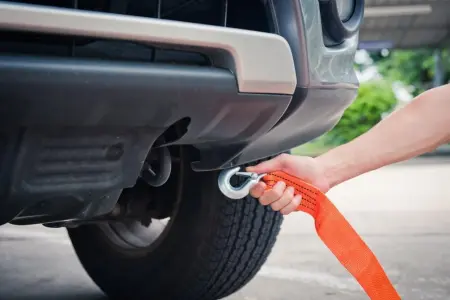
Any driver may find themselves in a situation where the car suddenly stalls and towing becomes the only solution. But it’s not enough just to find a rope and arrange with another driver — it’s important to understand the towing rules, since safety and the preservation of the vehicle depend on them.
Towing is the process of moving a faulty or damaged vehicle with the help of another vehicle. The towed car can move with a flexible tow (rope), a rigid tow, or by using a special platform. Each option has its own nuances and limitations.
There are several main types of towing:
Knowing the types of car towing helps to choose the right method and avoid breakdowns.
According to traffic regulations, towing a car is a strictly regulated process. Drivers must follow these requirements:
These towing rules help minimize the risk of accidents and ensure safe driving.
Beginners often make mistakes while towing a car. For example, not keeping distance, moving too fast, or braking sharply. To avoid problems:
Remember: car towing rules don’t tolerate improvisation — you need to stay focused and attentive.
Many drivers forget that towing has strict speed limits. According to the towing rules, the maximum speed is 50 km/h. Violating this towing rule can lead to an accident since the tow limits maneuverability.
Knowing the rules of towing a car guarantees safety for all road users. Whether you use a rope or a rigid tow, it’s important to remember: towing must comply with traffic regulations and common sense. Then, even in a difficult situation, you’ll be able to deliver the towed vehicle without risks or problems.